


Pediatric Eye Exams vs. School Vision Screenings: What’s the Difference?
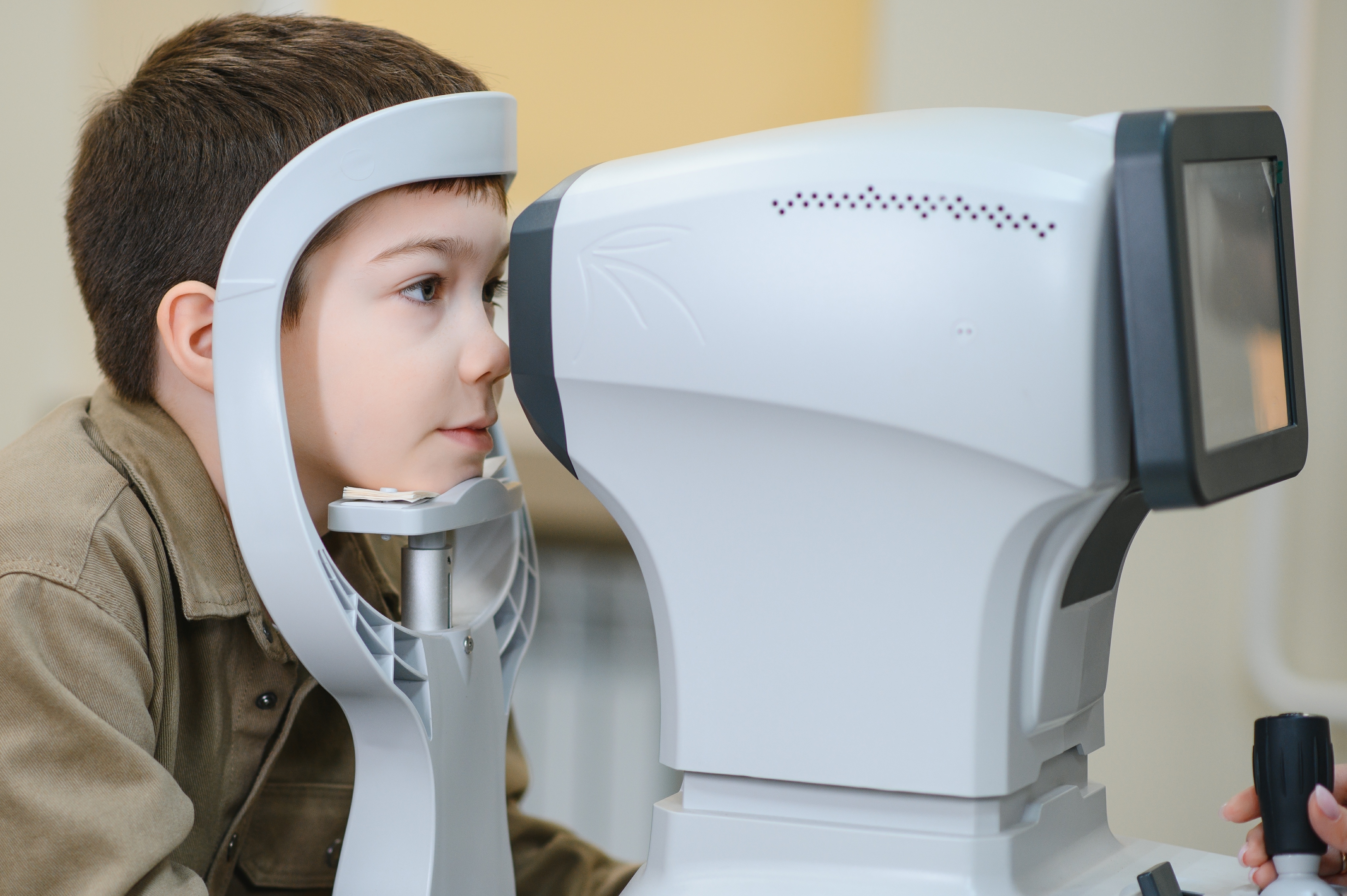
School vision screenings are helpful, but they are not the same as a comprehensive pediatric eye exam. A screening is usually designed to catch obvious vision concerns, such as difficulty seeing the board or reading from a distance. While this can be a good first step, it does not provide a complete look at your child’s eye health, visual development, or how well their eyes work together.
At Bluegrass Vision Group, we know that children may not always explain when something feels off with their vision. Some may assume blurry vision is normal, while others may avoid reading, lose focus, or struggle in school without realizing their eyes are part of the problem.
What School Vision Screenings Usually Check
A school vision screening is typically brief and limited. Most screenings focus on visual acuity, which measures how clearly a child can see letters or shapes from a distance. If a child passes that portion, parents may assume their vision is perfectly fine.
However, many vision concerns can still go undetected. A child may see 20/20 but still have trouble with eye tracking, focusing, depth perception, or eye coordination. These issues can affect reading, handwriting, sports, and classroom performance.
What Happens During a Pediatric Eye Exam
A pediatric eye exam is much more thorough. During a full exam, an optometrist evaluates both vision and overall eye health. The goal is to understand how your child’s eyes are developing and whether they need glasses, treatment, or monitoring.
A comprehensive pediatric eye exam may include:
- Checking visual clarity at near and far distances
- Evaluating eye alignment and teamwork
- Testing focusing ability and eye movement
- Looking for signs of eye disease or developmental concerns
- Determining whether glasses or another treatment option is needed
This type of exam gives parents a clearer picture of their child’s vision and helps detect problems early, before they interfere more with learning or daily life.
Why a Child Can Pass a Screening but Still Need an Exam
Passing a school vision screening does not always mean a child has no vision problems. Screenings are not designed to diagnose eye conditions, prescribe glasses, or evaluate the full visual system. They also may not catch problems that appear only during close-up tasks, like reading or computer work.
For example, a child may pass a distance vision screening but still experience headaches, eye strain, skipping lines while reading, or difficulty focusing on homework. These symptoms are important and should be evaluated with a pediatric eye exam.
Signs Your Child May Need an Eye Exam
Parents should schedule an eye exam if their child squints, covers one eye, sits very close to screens, complains of blurry vision, rubs their eyes often, or struggles with reading. Frequent headaches, short attention span during schoolwork, or poor hand-eye coordination can also be signs of a vision issue.
Even if there are no obvious symptoms, routine pediatric eye exams are important because some problems develop gradually.
Helping Children See and Learn Comfortably
Clear vision plays an important role in a child’s confidence, comfort, and ability to learn. School screenings can be useful, but they should not replace professional eye care. A comprehensive pediatric eye exam helps ensure your child’s eyes are healthy and working properly at every stage of development.
Give your child the clear, comfortable vision they need to thrive and schedule a pediatric eye exam at Bluegrass Vision Group. Visit our office in Mount Sterling, Morehead, or Lexington, Kentucky. Please call (859) 498-4800, (606) 727-2800, or (859) 327-3701 to book an appointment today.


Our Locations

Contact Info
(859) 498-2021
- Monday: 7:45 am - 11:45 am 12:45 pm - 5:00 pm
- Tuesday: 7:45 am - 11:45 am 12:45 pm - 5:00 pm
- Wednesday: 7:45 am - 11:45 am 12:45 pm - 5:00 pm
- Thursday: 7:45 am - 11:45 am 12:45 pm - 5:00 pm
- Friday: 7:45 am - 11:45 am 12:45 pm - 5:00 pm
- Saturday: Closed
- Sunday: Closed
Follow Us
Contact Form
Contact Info
(606) 727-2801
- Monday: 7:45 am - 11:45 am12:45 pm - 5:00 pm
- Tuesday: 7:45 am - 11:45 am12:45 pm - 5:00 pm
- Wednesday: 7:45 am - 11:45 am12:45 pm - 5:00 pm
- Thursday: 7:45 am - 11:45 am12:45 pm - 5:00 pm
- Friday: 7:45 am - 11:45 am12:45 pm - 5:00 pm
- Saturday: Closed
- Sunday: Closed
Follow Us
Contact Form
Contact Info
(859) 327-3703
- Monday: 8:00 am - 12:30 pm1:30 pm - 5:00 pm
- Tuesday: 8:00 am - 12:30 pm1:30 pm - 5:00 pm
- Wednesday: 8:00 am - 12:30 pm1:30 pm - 5:00 pm
- Thursday: 8:00 am - 12:30 pm1:30 pm - 5:00 pm
- Friday: 8:00 am - 12:30 pm1:30 pm - 5:00 pm
- Saturday: Closed
- Sunday: Closed
Follow Us
Contact Form
© 2026 Bluegrass Vision Group. All Rights Reserved. Accessibility Statement - Privacy Policy - Sitemap
